
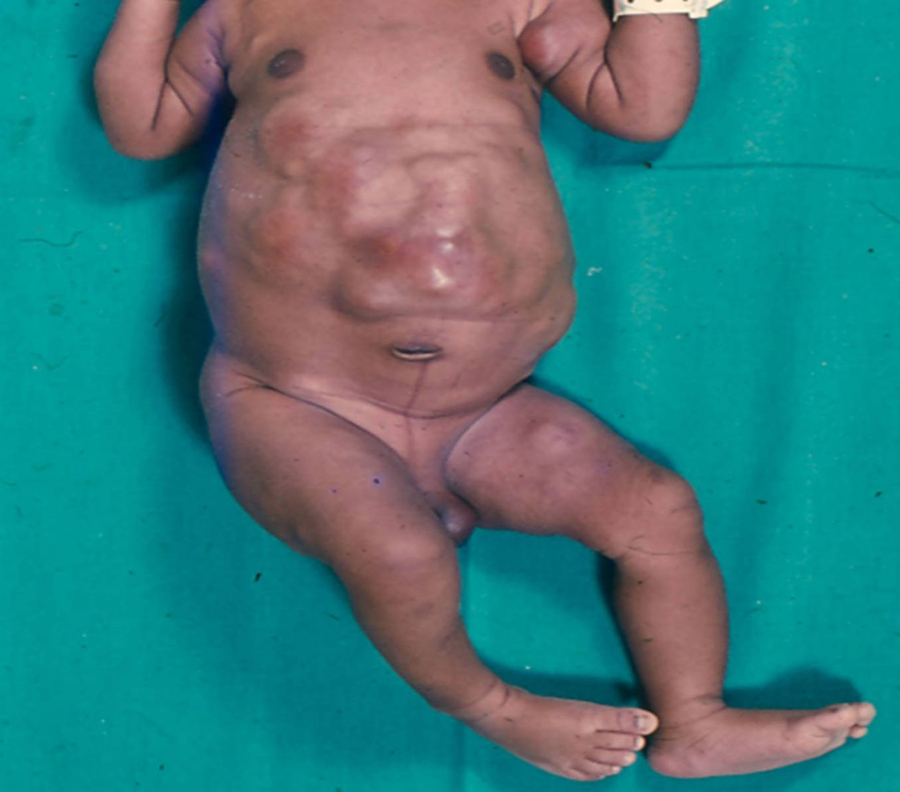
Risk-guided care reshapes childhood neuroblastoma treatment
KNOXVILLE, TN, August 08, 2026 /24-7PressRelease/ — Neuroblastoma remains one of the most unpredictable childhood cancers, ranging from tumors that regress without treatment to aggressive disease that resists intensive therapy. A new narrative review brings diagnosis, risk classification, surgery, chemotherapy, immunotherapy, and survivorship into a single clinical framework. It emphasizes that outcomes depend not only on tumor stage, but also on age, histology, chromosomal changes, and molecular features such as MYCN amplification. By clarifying how these factors guide observation, surgery, and multimodal treatment, the review offers pediatric specialists a practical roadmap for tailoring care while avoiding unnecessary treatment in low-risk disease and improving decision-making for children with high-risk neuroblastoma.
Neuroblastoma is the most common solid tumor outside the brain in children younger than five years old and accounts for about 15% of pediatric cancer deaths. Its biology is unusually diverse: some tumors in infants disappear spontaneously, while others spread rapidly, surround major blood vessels, recur after treatment, or cause lasting complications. Five-year survival exceeds 90% for low- and intermediate-risk disease but remains below 60% for high-risk cases. Clinicians must therefore balance treatment intensity against surgical risk, organ preservation, toxicity, and future quality of life. Based on these challenges, in-depth research is needed to refine risk-adapted diagnosis, treatment sequencing, and long-term care for children with neuroblastoma.
On January 6, 2026, specialists from the Department of Pediatric Surgery at the Royal Hospital for Children in Glasgow and the Department of Pediatric Surgery at the University of Liverpool published a narrative review in the World Journal of Pediatric Surgery (DOI: 10.1136/wjps-2025-001127). The article synthesizes current evidence on the clinical presentation, imaging, pathology, molecular biology, staging, and treatment of childhood neuroblastoma. It also examines major surgical controversies, emerging targeted therapies, relapse patterns, and the long-term health needs of survivors, providing an updated reference for multidisciplinary teams.
The review shows how pretreatment risk assessment shapes every step of care. About 70% of patients present with abdominal disease, and diagnosis commonly combines urine catecholamine testing, magnetic resonance imaging (MRI), meta-iodobenzylguanidine (MIBG) -ialoganglioside, bone marrow assessment, biopsy, and genetic profiling. The International Neuroblastoma Risk Group Staging System (INRGSS) uses imaging findings and the presence or absence of image-defined risk factors (IDRFs) to classify localized, metastatic, and special metastatic disease before treatment. Molecular markers add another layer: MYCN amplification occurs in roughly one-quarter of tumors and in 40%–50% of high-risk cases, where it signals aggressive behavior. Treatment ranges from observation or surgery alone in selected infants and low-risk patients to chemotherapy, surgery, myeloablative therapy, autologous stem cell rescue, radiotherapy, GD2-targeting monoclonal antibodies, and retinoic acid for high-risk disease. For carefully selected infants monitored without immediate intervention, a prospective study reported the 10-year event-free survival of 94.7% and overall survival of 97.4%, supporting observation when strict criteria are met. The authors also highlight unresolved questions. Computed tomography (CT) may better define surgical anatomy than MRI in some high-risk abdominal tumors, while the survival benefit of more extensive resection remains debated. Standardized surgical reporting may help future trials distinguish complete removal from incomplete resection more reliably.
The authors said the review’s central message is that neuroblastoma cannot be managed with a single formula. They said the safest and most effective plan depends on seeing the child’s age, tumor biology, anatomical risk, and likely treatment response as one connected picture. For some infants, that may mean close observation rather than immediate intervention; for high-risk disease, it means coordinated multimodal care, careful surgical judgment, and new therapies that control the tumor without adding avoidable harm. They said surgery should be viewed as one part of the treatment pathway, not as an isolated technical goal.
The review has value for surgeons, oncologists, radiologists, pathologists, and multidisciplinary tumor boards. Its risk-based framework can support more consistent decisions about when to observe, biopsy, operate, or intensify therapy. Wider use of structured surgical reports could improve international trial comparisons, especially where the true extent of resection remains uncertain. The discussion of GD2-targeting monoclonal antibodies, chimeric antigen receptor T-cell therapy, mutations in the anaplastic lymphoma kinase (ALK) gene, and telomere biology also points toward more personalized treatment. The authors stress that survival is not the only endpoint: fertility, hearing, endocrine health, cognition, emotional well-being, and secondary cancers require lifelong follow-up as more children survive neuroblastoma. These priorities could shape both clinical protocols and future trial design.
References
DOI
10.1136/wjps-2025-001127
Original Source URL
https://doi.org/10.1136/wjps-2025-001127
About World Journal of Pediatric Surgery
World Journal of Pediatric Surgery (WJPS), founded in 2018, is the open-access, peer-reviewed journal in pediatric surgery area. Sponsored by Zhejiang University and Children’s Hospital Zhejiang University School of Medicine, and published by BMJ Group. WJPS aims to be a leading international platform for advances in pediatric surgical research and practice. Indexed in PubMed, ESCI, Scopus, CAS, DOAJ, and CSCD, WJPS achieved the latest Impact Factor (IF) of 2.1/Q2 and CiteScore of 2.5.
Chuanlink Innovations, where revolutionary ideas meet their true potential. Our name, rooted in the essence of transmission and connection, reflects our commitment to fostering innovation and facilitating the journey of ideas from inception to realization.
Related Link:
http://chuanlink-innovations.com
—
For the original version of this press release, please visit 24-7PressRelease.com here
Legal Disclaimer: This article was provided by an independent third-party content provider. Kyrion Media makes no warranties or representations in connection with it. All information is provided “as is” without warranty of any kind. This content may not have been reviewed by our editorial staff and is published automatically. The views expressed in this article are those of the author and do not necessarily reflect the views of Kyrion Media. All trademarks are the property of their respective owners. If you are affiliated with this article and would like it removed, please contact retract@kyrionmedia.com.