Veteran emergency physician urges focus on preparation, teamwork, and early intervention
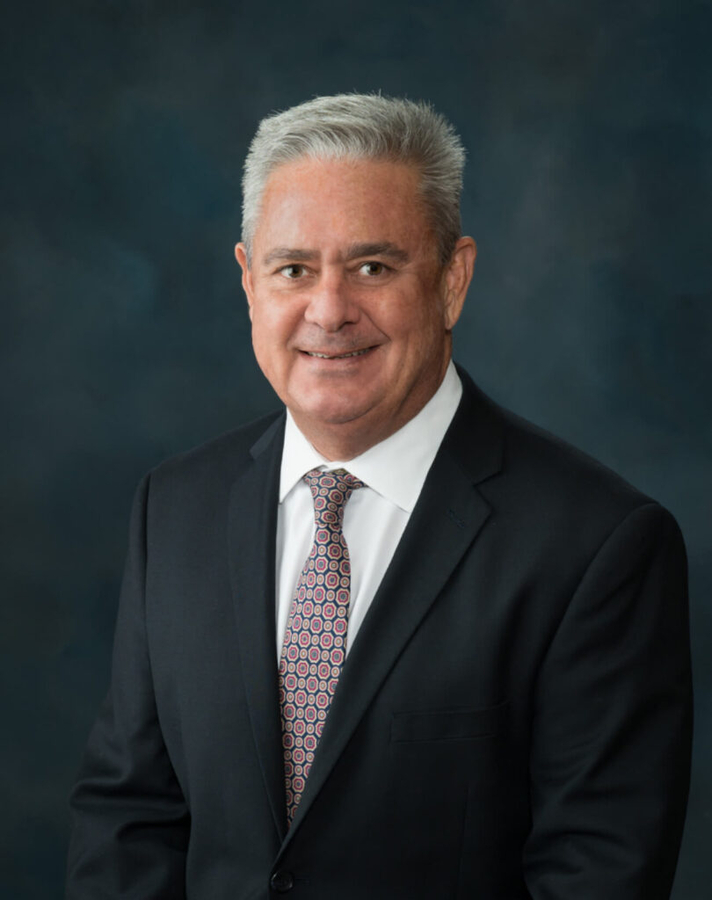
BATON ROUGE, LA, January 20, 2026 /24-7PressRelease/ — Following a recent spotlight feature on his career, Gianluca Cerri MD, a seasoned emergency physician with more than two decades of experience, is using the opportunity to raise awareness around a growing issue in healthcare: the need for stronger leadership, clearer systems, and earlier action in emergency medicine—especially in rural and underserved communities.
Emergency departments across the U.S. handle more than 130 million visits each year, according to the CDC. At the same time, rural hospitals continue to close at alarming rates, with over 180 rural hospitals shutting down since 2005. These pressures place frontline clinicians in increasingly high-stakes environments, where preparation and systems often determine outcomes.
“People think emergency medicine is about reacting fast,” said Cerri. “It’s actually about preparing well. When systems are clear, teams perform better, and patients are safer.”
Advocating for Practical Leadership in High-Pressure Medicine
Cerri’s advocacy centres on a simple idea: leadership in healthcare should focus on structure, accountability, and calm execution—not noise or hierarchy. Drawing from his experience as a former Chief Resident, rural emergency physician, and clinical educator, he believes many failures in care are system-based, not individual.
“I’ve seen excellent clinicians struggle because the process around them was broken,” he said. “When communication fails or roles are unclear, pressure multiplies fast.”
Research supports this view. A 2022 study in BMJ Quality & Safety found that communication breakdowns and system inefficiencies contribute to nearly 30% of serious medical errors in hospital settings. Emergency departments, with their pace and unpredictability, are particularly vulnerable.
Early Action Saves Lives
A key area of focus for Cerri is the importance of early intervention in emergency care, particularly for patients experiencing addiction-related crises. Opioid overdoses remain a major public health concern, with more than 80,000 opioid-related deaths reported in the U.S. in 2023.
Cerri has long advocated for starting meaningful care at the first point of contact. “If someone survives an overdose and walks out without a plan, we missed the moment that mattered most,” he said. “That first conversation can change the entire path forward.”
Studies show that patients who begin evidence-based treatment immediately after an overdose are twice as likely to remain engaged in care compared to those who receive referrals alone.
Teaching the Next Generation to Lead
Beyond clinical work, Cerri continues to mentor and teach young physicians. His message to trainees is consistent: technical skill matters, but leadership under pressure matters more.
“I tell residents that patients remember how you show up,” he said. “They notice if you’re calm, honest, and focused. That builds trust faster than any explanation.”
Physician burnout also underscores the need for better leadership models. According to the American Medical Association, nearly 63% of physicians reported burnout symptoms in recent years, with emergency medicine ranking among the highest.
“Strong systems don’t just protect patients,” Cerri added. “They protect clinicians, too.”
What Individuals Can Do
Cerri’s call to action is not limited to hospitals or policymakers. He believes individuals—clinicians, leaders, and community members—can take steps right now:
Healthcare professionals: Focus on clear communication, preparation, and team support during every shift.
Hospital leaders: Review workflows and remove friction that slows care or adds confusion.
Communities: Learn about addiction as a medical condition and support early, evidence-based treatment.
Patients and families: Ask questions, seek clarity, and advocate for care plans before leaving the emergency department.
“Leadership isn’t a title,” Cerri said. “It’s a habit. Anyone can practise it by staying calm, prepared, and accountable.”
To read the full interview, visit the website here.
Gianluca Cerri MD is an emergency medicine physician with over twenty years of clinical and administrative experience. He has served in roles including Emergency Medicine Physician, AEMS Director, Flight Physician, and Clinical Assistant Professor of Internal Medicine. His career spans urban and rural emergency departments, with a focus on systems-based care, leadership under pressure, and early intervention.
—
For the original version of this press release, please visit 24-7PressRelease.com here
Legal Disclaimer: This article was provided by an independent third-party content provider. Kyrion Media makes no warranties or representations in connection with it. All information is provided “as is” without warranty of any kind. This content may not have been reviewed by our editorial staff and is published automatically. The views expressed in this article are those of the author and do not necessarily reflect the views of Kyrion Media. All trademarks are the property of their respective owners. If you are affiliated with this article and would like it removed, please contact retract@kyrionmedia.com.